
What is saving lives?
- Saving someone who is having an allergy attack
- When someone is choking
- Saving a schizophrenic patient during a brain stroke
- Saving someone who is drowning
10 Crucial Lifesaving Skills Everyone Should Know
Every day, unexpected emergencies occur that can easily put lives at risk. Whether it’s a near-drowning incident, choking, or a heart attack, being equipped with lifesaving skills can make all the difference in saving a person’s life. The ability to respond quickly and effectively in these critical situations can truly be a matter of life or death.
01
CPR (Cardiopulmonary Resuscitation)
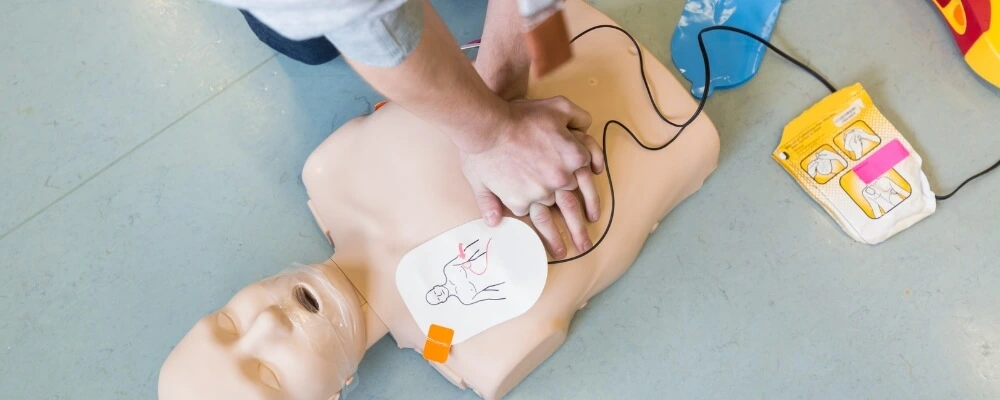
CPR is a critical procedure used when someone’s heartbeat or breathing has stopped, often due to heart attacks or drowning. The primary purpose of CPR is to restore oxygenated blood flow to vital organs, especially the brain and heart.
The process involves pressing down on the victim’s chest with a certain rhythm, which helps the heart pump blood. Sometimes, rescue breaths are also given, where the rescuer breathes into the victim’s mouth to provide oxygen. Immediate CPR can double or even triple the chances of survival after cardiac arrest.
02
Heimlich Maneuver
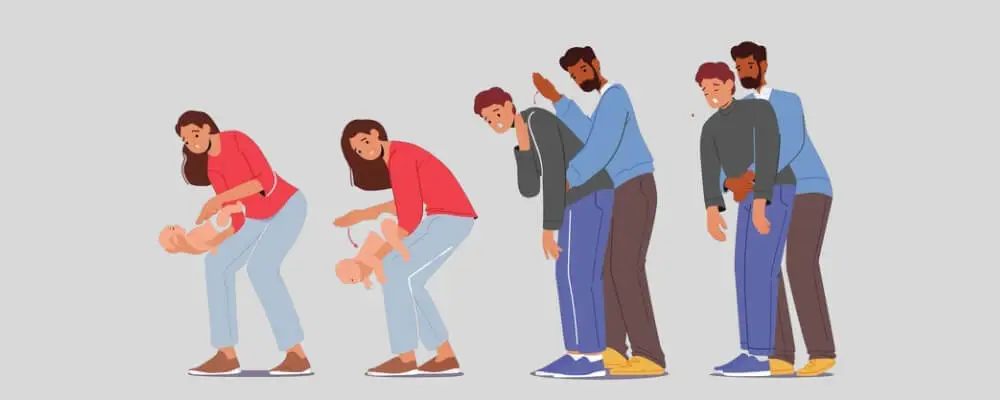
Choking can be a silent killer, especially if the person is unable to communicate their distress. The Heimlich Maneuver is a procedure where the rescuer stands behind the choking individual and uses their hands to exert upward pressure just below the ribcage. This action can force the foreign object, causing the obstruction to be expelled from the airway, allowing the person to breathe again.
03
Basic First Aid
Accidents can happen anywhere, and having basic first aid knowledge can be the difference between a minor injury and a severe complication. This skill involves understanding how to clean wounds to prevent infection, how to apply bandages or tourniquets to stop bleeding, and how to recognize if someone needs more advanced medical attention.
04
Swimming and Water Safety
Water-related accidents are among the leading causes of death worldwide. Knowing how to swim is essential, but it’s equally crucial to understand water safety. This means recognizing when someone is struggling in the water, understanding rip currents, and knowing rescue techniques without endangering oneself.
05
Recognizing Signs of a Stroke
Strokes occur when blood flow to a part of the brain is cut off. Recognizing a stroke early can significantly improve outcomes. The FAST acronym is a quick way to remember the signs: Face drooping on one side, Arm weakness or inability to lift both arms evenly, Speech difficulty or slurred speech, and Time to call emergency services immediately if these signs are present.
06
Using an AED (Automated External Defibrillator)
AEDs are portable devices that can send an electric shock to the heart, potentially restarting it during certain types of cardiac arrest. These devices come with voice prompts, making them user-friendly, but knowing how to use one effectively can save crucial minutes in an emergency.
07
Fire Safety
Fires can spread rapidly, leaving little time for escape. Understanding how to use a fire extinguisher is essential in containing small fires. Additionally, knowing the safest routes out of a building, staying low to avoid smoke inhalation, and using the “Stop, Drop, and Roll” technique if clothes catch fire are all vital for survival during a fire.
08
Recognizing Signs of Hypothermia and Heatstroke
Extreme temperatures can be deadly. Hypothermia occurs when the body loses heat faster than it can produce it, leading to dangerously low body temperatures. Signs include intense shivering, confusion, and fatigue.
Heatstroke, on the other hand, is the body’s response to prolonged exposure to high temperatures, leading to symptoms like a high body temperature, rapid pulse, and nausea. Both conditions require immediate medical attention.
09
Basic Wilderness Survival Skills
Nature can be unpredictable, and whether you’re hiking, camping, or just out for a walk, knowing basic survival skills can be lifesaving. This includes understanding how to find or purify water, building a shelter to protect against the elements, signalling for help using mirrors or whistles, and starting a fire for warmth and cooking.0
10
Emergency Preparedness
Natural disasters, power outages, or other large-scale emergencies can happen without warning. Being prepared means having a plan in place for where to go and how to communicate with loved ones.
It also involves having an emergency kit stocked with essentials like water, food, medications, and important documents. Knowing evacuation routes and safe places in your home can make a significant difference during an emergency.
Remember, knowledge is power, and in this context, it’s the power to save a life.
pjpholwmwrmomwuqsmerpzjuuuduks
nmlfjlirljzxsqrzyhgofidymogpmv